Papain for Protein Hydrolysis
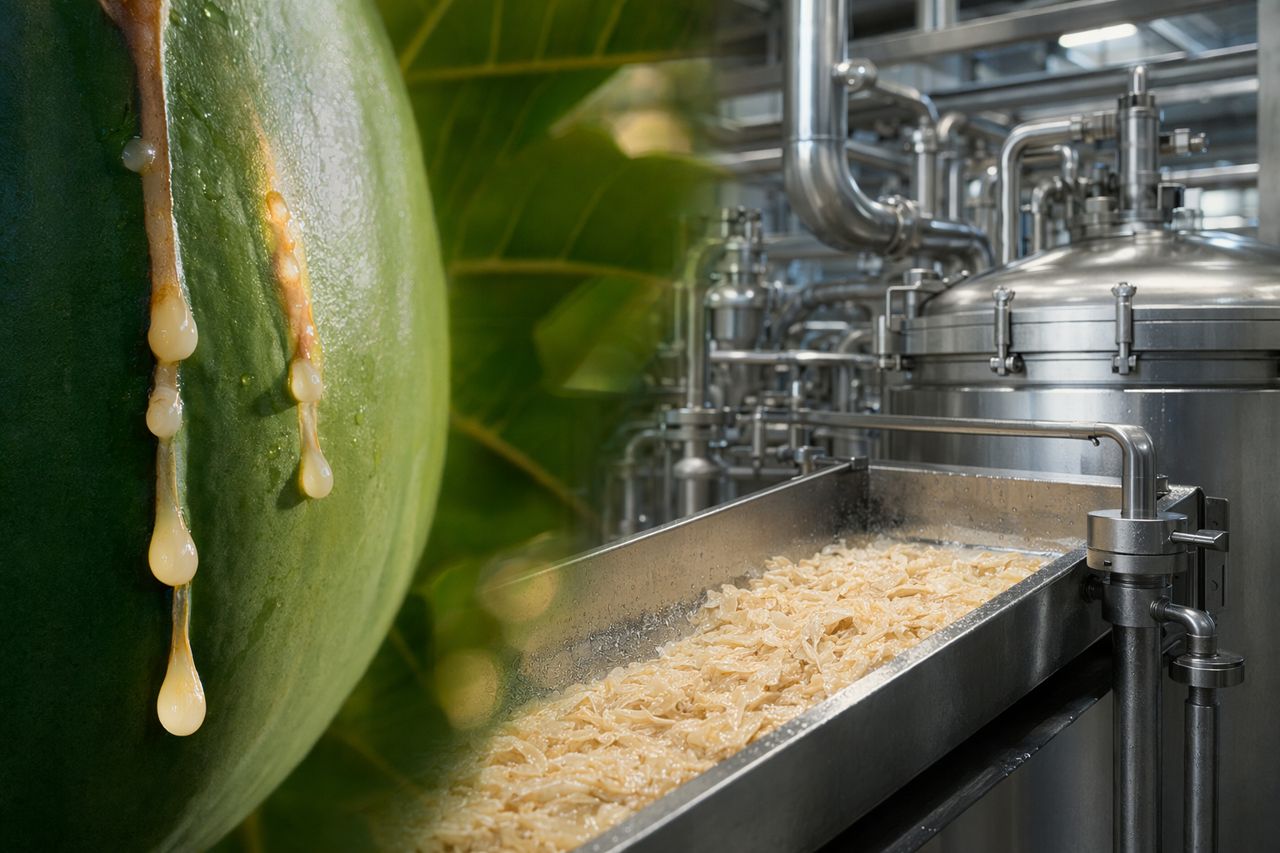
Papain is a plant-derived cysteine protease used to convert complex proteins into more soluble, peptide-rich hydrolysates. For ingredient manufacturers, nutrition formulators, meat and seafood processors, and specialty food producers, it offers a practical route to improved extraction yield, viscosity control, functional performance, and sensory consistency.
Buying for a plant or for resale? Hydrolysis-grade papain is supplied in bulk to ingredient manufacturers, distributors and resellers on a quote basis; send the protein stream, quantity and destination. Request a quote.
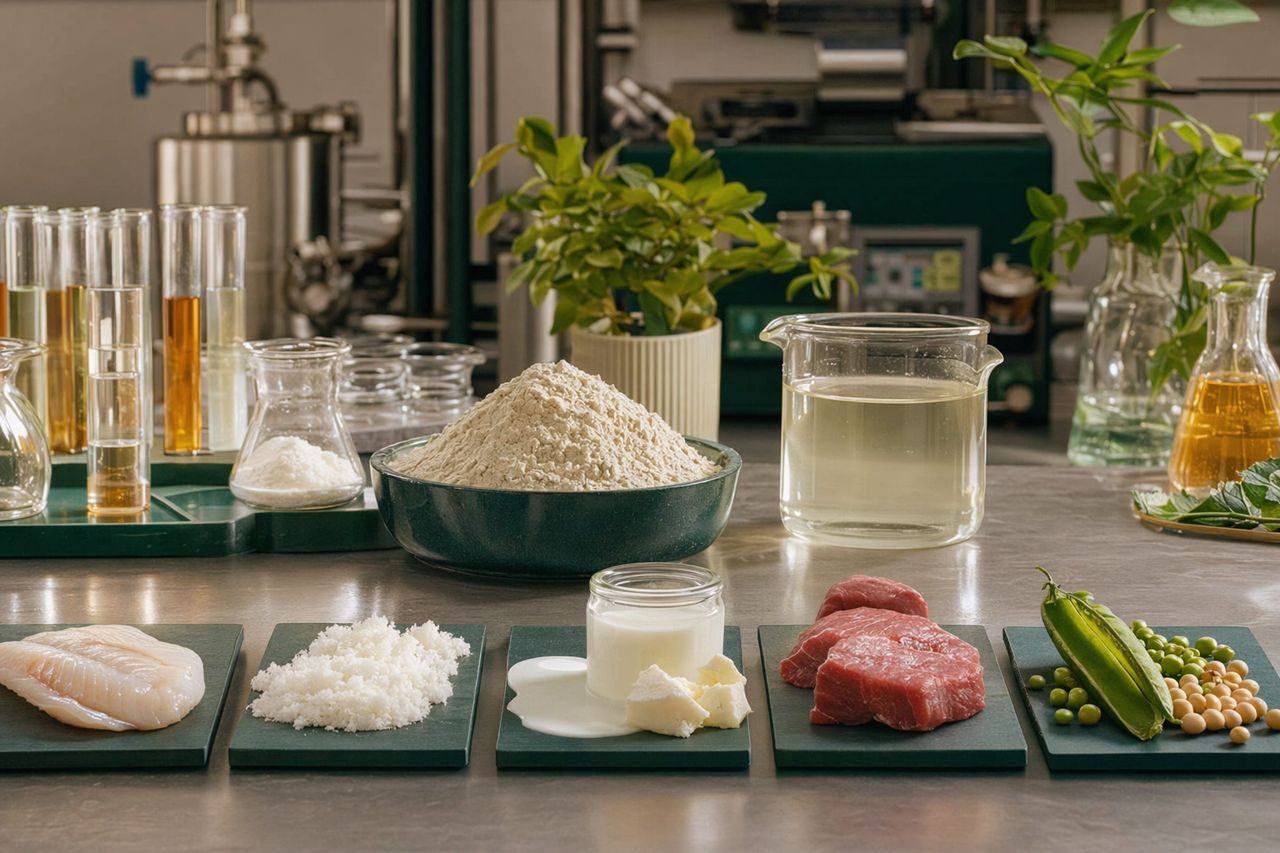
Papain Enzyme Solutions supports B2B teams working with animal, marine, dairy, collagen, and plant protein streams where predictable hydrolysis matters more than generic enzyme addition. The objective is not simply to break protein apart. It is to shape peptide profile, processing behavior, and finished-product quality within a controlled manufacturing window.
Why Papain is Used in Protein Hydrolysis
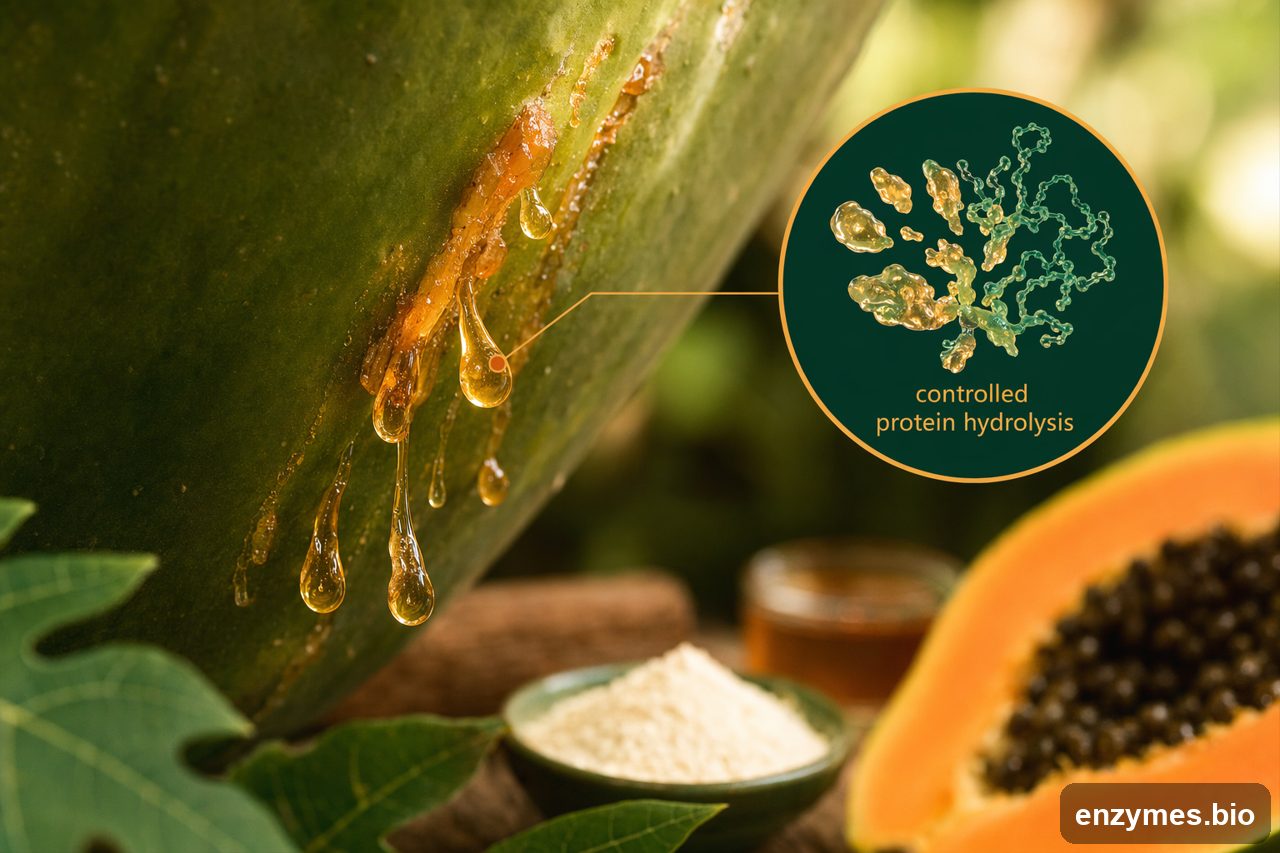
Papain cleaves peptide bonds across a broad range of protein substrates, making it useful when processors need efficient hydrolysis without building an overly complex enzyme system. Its value is especially clear in processes where raw material variability, viscosity, solubility, and downstream handling can influence commercial yield.
Key industrial reasons to specify Papain include:
- Improved solubility in protein concentrates, extracts, broths, and hydrolysate powders
- Higher recoverable yield from meat, fish, collagen, and plant protein side streams
- Reduced viscosity for easier pumping, mixing, filtration, and evaporation
- More consistent texture in tenderized or partially hydrolyzed protein systems
- Enhanced peptide availability for nutrition, fermentation, seasoning, and functional ingredient use
- Flexible integration into batch or continuous hydrolysis workflows
Substrates and Commercial Outcomes
| Protein stream | Typical processing goal | Papain contribution |
|---|---|---|
| Animal protein | Soluble extracts, tenderization, protein recovery | Supports controlled breakdown of muscle proteins and connective tissue fractions |
| Marine protein | Fish hydrolysates, seafood extracts, savory bases | Improves extraction efficiency and reduces high-viscosity handling issues |
| Collagen and gelatin streams | Peptide-rich fractions, functional hydrolysates | Assists conversion into lower-molecular-weight peptide systems |
| Dairy protein | Specialty hydrolysates, nutritional applications | Helps generate partially hydrolyzed protein systems when matched to process controls |
| Plant protein | Solubility improvement, flavor precursor development, texture adjustment | Supports protein modification in soy, pea, wheat, and mixed plant matrices |
Process Fit for Hydrolysate Manufacturers
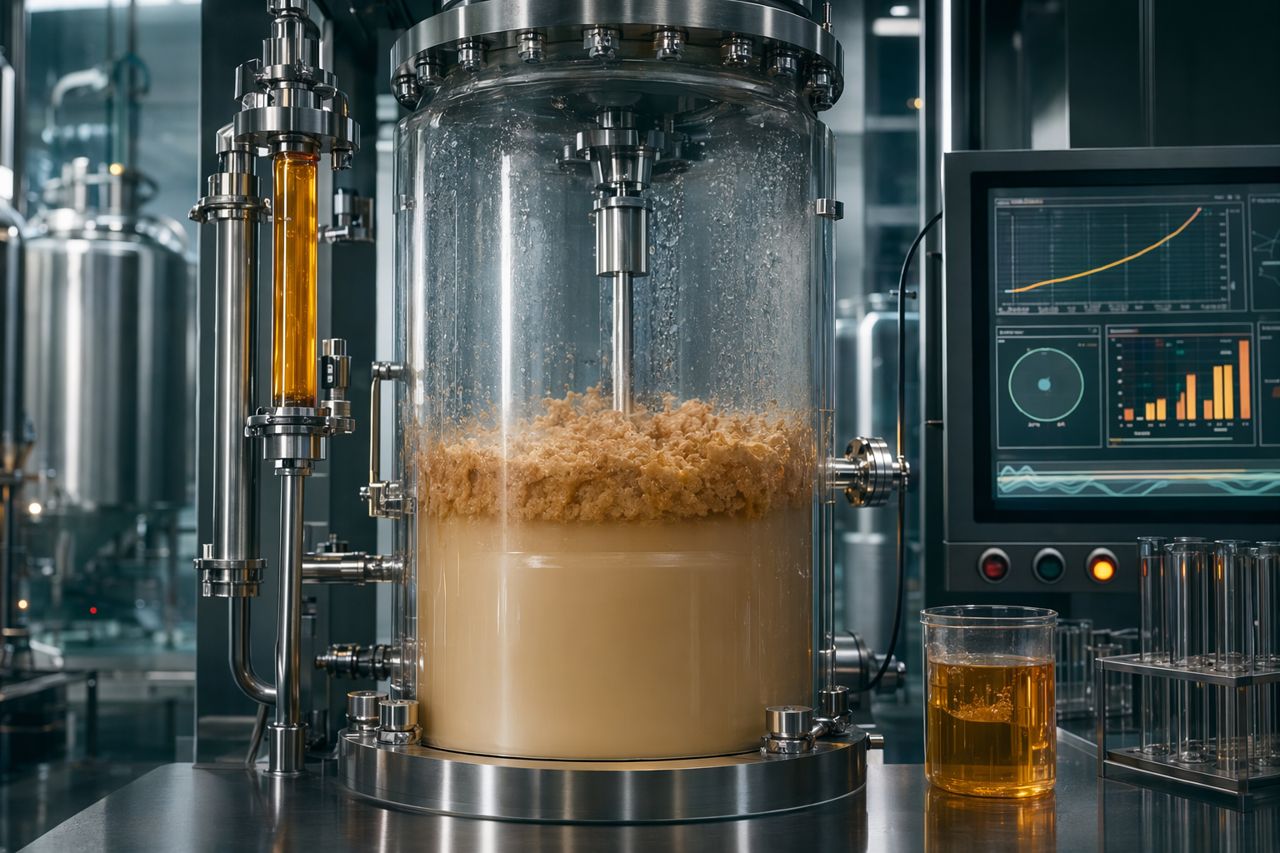
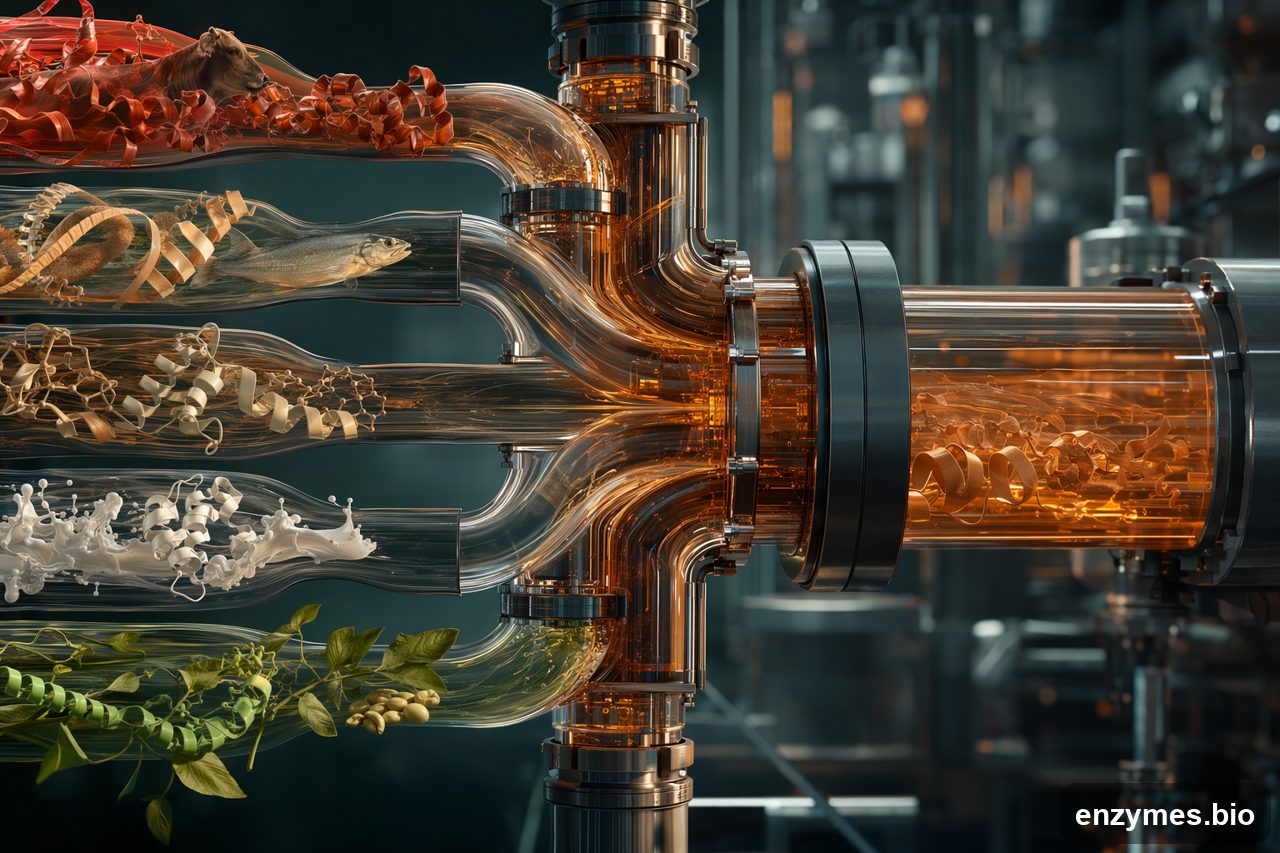
Papain is typically evaluated against the substrate, target degree of hydrolysis, heat profile, pH window, residence time, and downstream stop step. Small changes in raw material preparation can affect finished hydrolysate quality, so process engineers should define the desired endpoint before locking enzyme addition strategy.
Important control points include:
- Substrate preparation — particle size, hydration, fat level, and prior heat treatment influence enzyme access.
- Enzyme addition point — early addition may support extraction; later addition may refine viscosity or texture.
- Reaction endpoint — the process should be stopped when solubility, peptide profile, sensory target, or viscosity target is reached.
- Thermal inactivation — heat treatment is commonly used to stabilize the hydrolysate and prevent continued breakdown.
- Downstream separation — filtration, centrifugation, concentration, and drying should be aligned with the target hydrolysate specification.
Managing Flavor, Bitterness, and Sensory Quality
Protein hydrolysis can release peptides that improve savory impact, mouthfeel, and nutritional functionality, but unmanaged hydrolysis may also contribute bitterness or harsh notes. Papain performs best when used as part of a defined sensory strategy: controlled exposure, validated endpoint testing, and, where required, combination with debittering, flavor balancing, or fractionation steps.
For hydrolysate powders, broths, marinades, seasoning bases, and functional nutrition ingredients, the commercial goal is a stable sensory profile from lot to lot, not maximum proteolysis at any cost.
Two growth markets for papain hydrolysis: pet food and peptide supplements
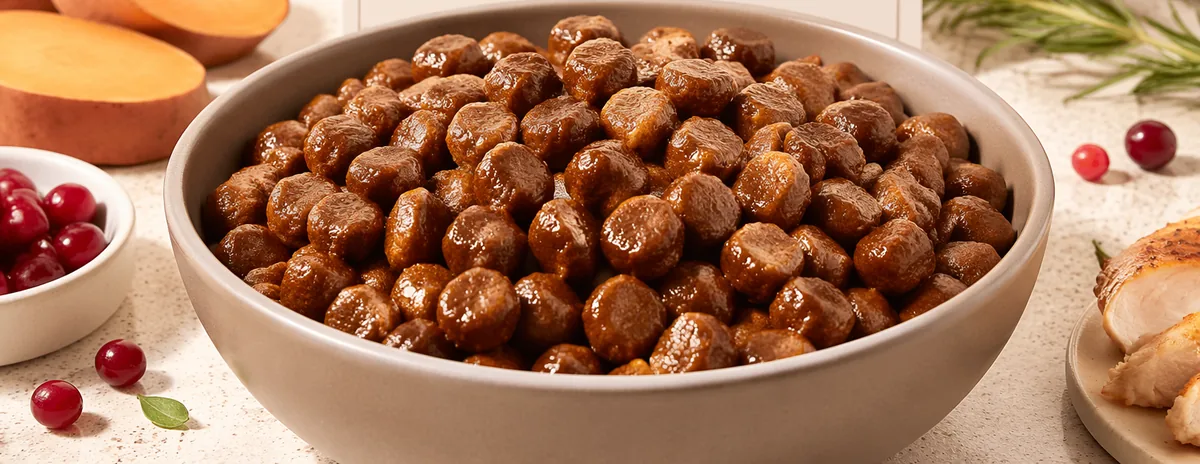
Pet food is a growing use: papain hydrolyses meat by-products and trimmings thoroughly, so the finished pet food is less sticky, eats better and gains flavour. In feed processing, buyers use papain to get more nutritional value from feed protein at lower feeding cost.
In health and nutrition products, papain is used to break specific animal or plant proteins down into peptides or amino acids. Typical products are collagen peptides, soy peptides and amino-acid oral liquids.
| Market | Raw material | What the buyer wants from the hydrolysis |
|---|---|---|
| Pet food | Meat by-products and trimmings | Thorough breakdown, less stickiness, better eating quality and flavour |
| Feed | Feed protein | Higher nutritional value at lower feeding cost |
| Peptide supplements | Collagen, soy and other proteins | Peptides or amino acids for powders and oral liquids |
Where these projects go wrong
- Stopping the hydrolysis too early on by-products, which leaves the sticky texture the step was meant to remove.
- Treating collagen, soy and amino-acid products as one project, when the target (peptides or amino acids) differs by product.
Procurement and Specification Considerations
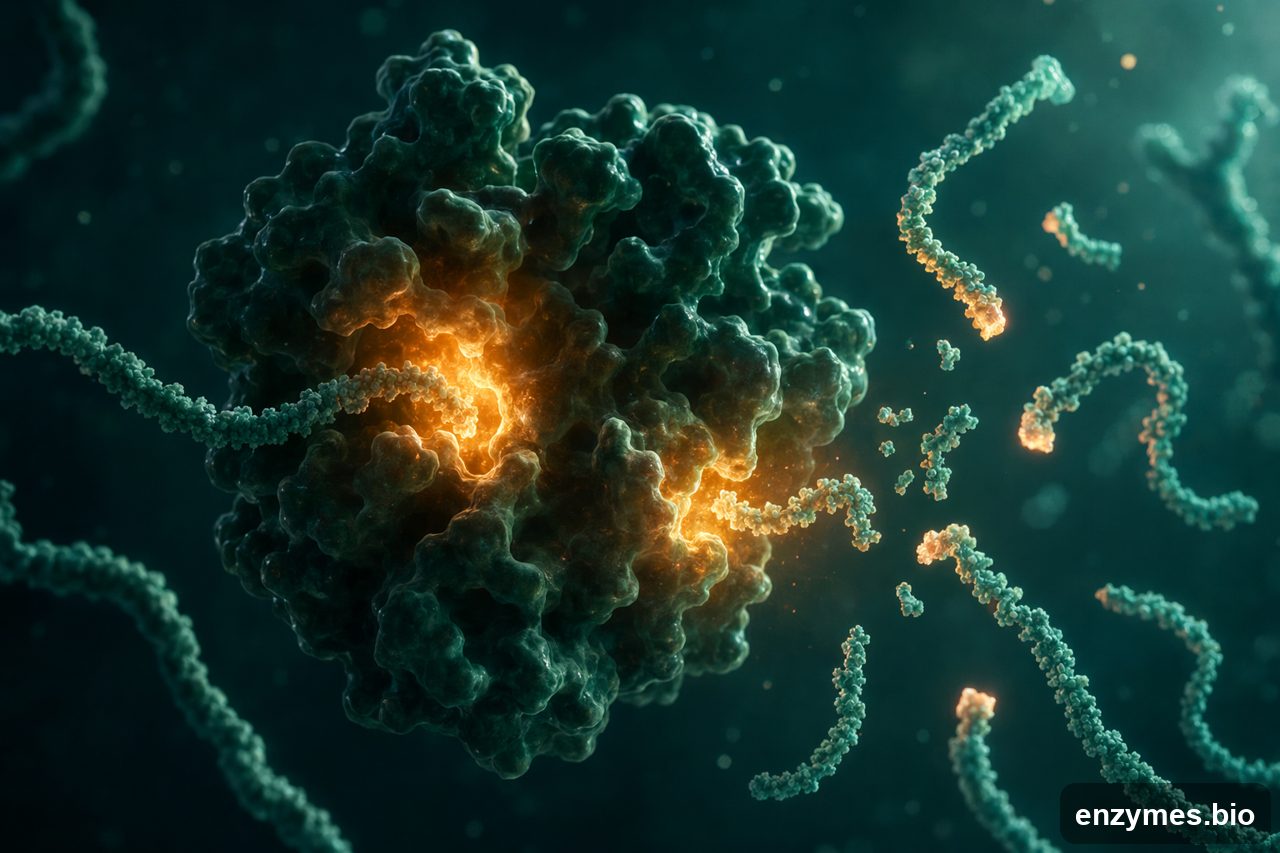
B2B buyers should evaluate Papain on more than price. Reliable production depends on documentation, handling behavior, and lot consistency.
When qualifying supply, review:
- Intended application and substrate compatibility
- Food, feed, cosmetic, or technical-use documentation as applicable
- Origin, allergen position, and regulatory support documents
- Appearance, dispersibility, storage guidance, and shelf-life expectations
- Lot-to-lot consistency against your internal process endpoint
- Packaging format suited to production scale and operator handling
Papain Enzyme Solutions can help align Papain selection with your substrate, process constraints, and finished hydrolysate target.
Common Application Areas
Protein hydrolysate powders
Papain supports soluble peptide-rich powders used in nutrition, savory systems, fermentation nutrients, and specialty ingredient platforms.
Meat and poultry processing
In controlled applications, Papain can improve tenderness and support protein modification where texture and yield are central to product quality.
Fish and seafood extracts
Marine processors use Papain to improve extraction from protein-rich side streams and create hydrolysates for seasoning, feed, and functional ingredient use.
Collagen peptide systems
Papain can assist in breaking collagen-derived streams into more manageable peptide fractions, supporting solubility and downstream concentration.
Plant protein modification
For pea, soy, wheat, and mixed plant systems, Papain may improve solubility, reduce processing viscosity, and support flavor precursor development.
Build a Controlled Hydrolysis Program
The strongest Papain programs begin with a clear target: yield improvement, viscosity reduction, peptide profile, sensory modification, or functional performance. From there, the enzyme strategy can be tested against the real production substrate rather than a generic lab model.
Use Papain when your team needs a practical, robust protease for controlled protein conversion, and when finished-product consistency is as important as reaction speed.
Request a wholesale quote
We supply papain for protein hydrolysates, pet-food ingredients and peptide products in bulk to manufacturers, distributors and resellers, on a quote-only basis. To get a recommendation and a price, send: the product or application, the quantity (trial lot, monthly or annual), the destination country, and the process step where the papain will be used. Format (powder or liquid) and pack size are quoted per order; tell us your preference if you have one.